
Our Board
Get to know our team.
Get to know our team.
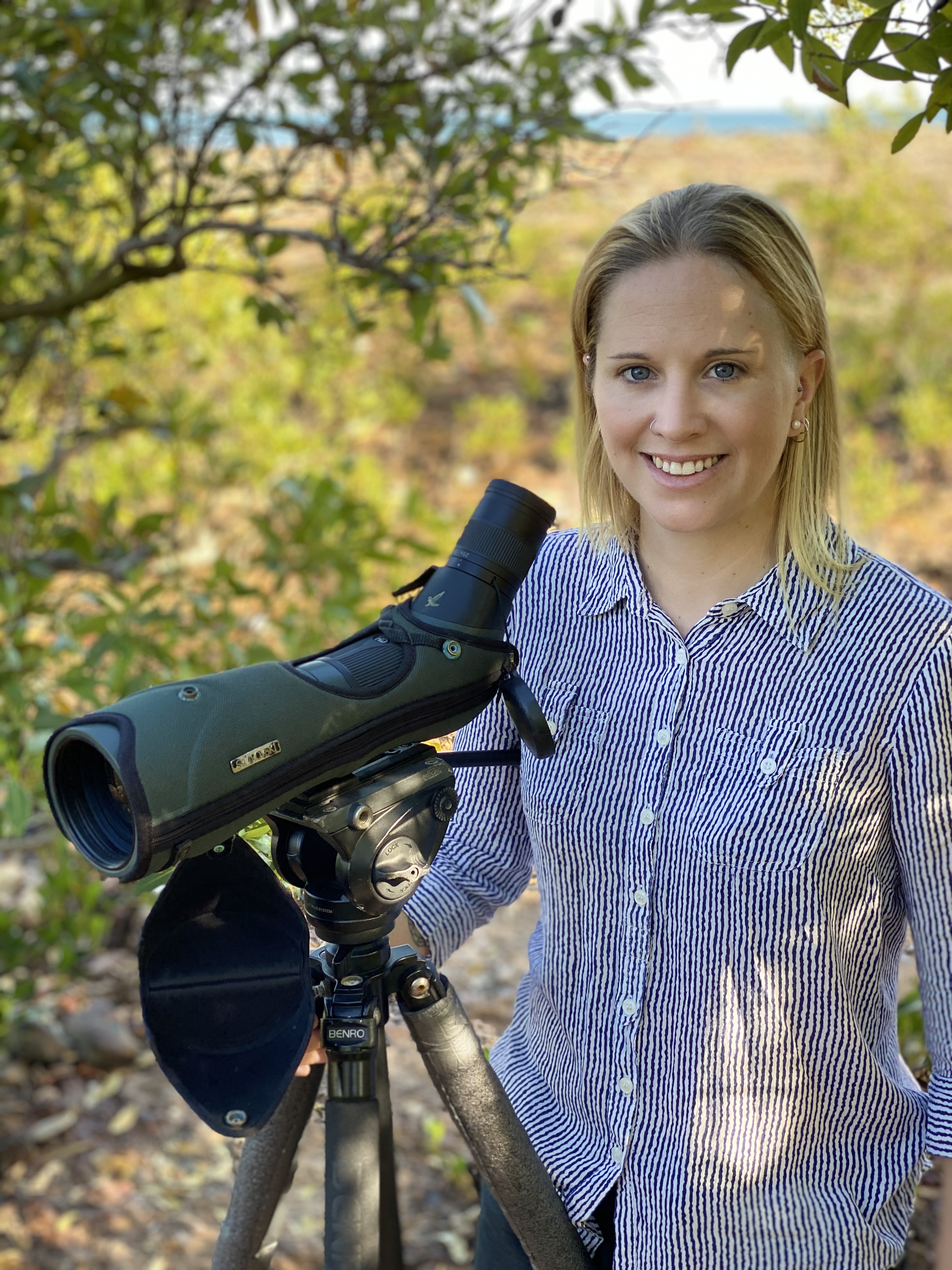
President
Micha Jackson is a researcher at the Commonwealth Scientific and Industrial Research Organisation (CSIRO). Her research interests are in applied ecology with a focus on waterbirds, wetlands and threatened species. Micha is most interested in achieving improved environmental outcomes through evidence-based research.
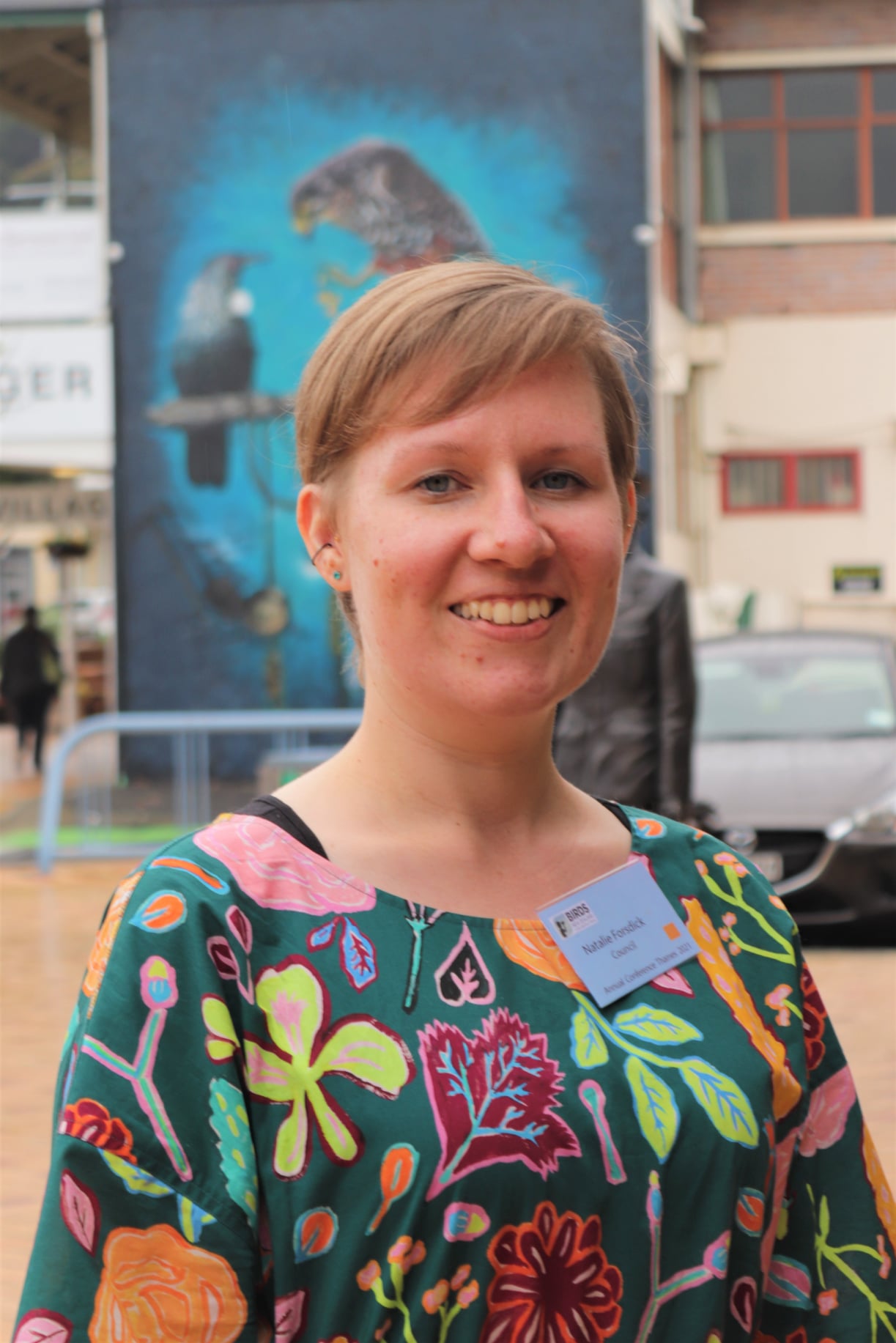
Secretary and Justice, Equity, Diversity, and Inclusion Officer
Natalie Forsdick is a researcher at Manaaki Whenua – Landcare Research in association with Genomics Aotearoa in New Zealand. Her research focuses on using genomic data to inform conservation management for a range of taxa, in partnership with the New Zealand Department of Conservation and Indigenous communities.
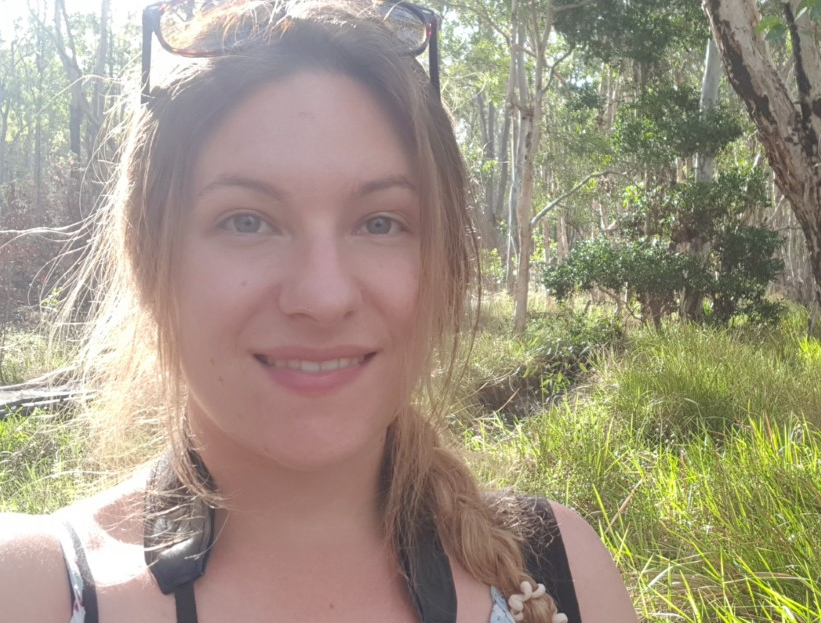
President-elect, Treasurer, Chapters Coordinator
Courtney is an ecological researcher for Bush Heritage Australia, working within their national science programme. Her research project explores opportunities to measure the health of woodland bird communities remotely by taking an ecological approach to analysing acoustic data. Courtney is particularly interested in facilitating species monitoring opportunities that enable us to assess the effectiveness of our current management approach and inform future action.
She currently serves as the Treasurer and Chapters Coordinator for SCB Oceania, and has recently stepped into the President-elect position as of July 2023.
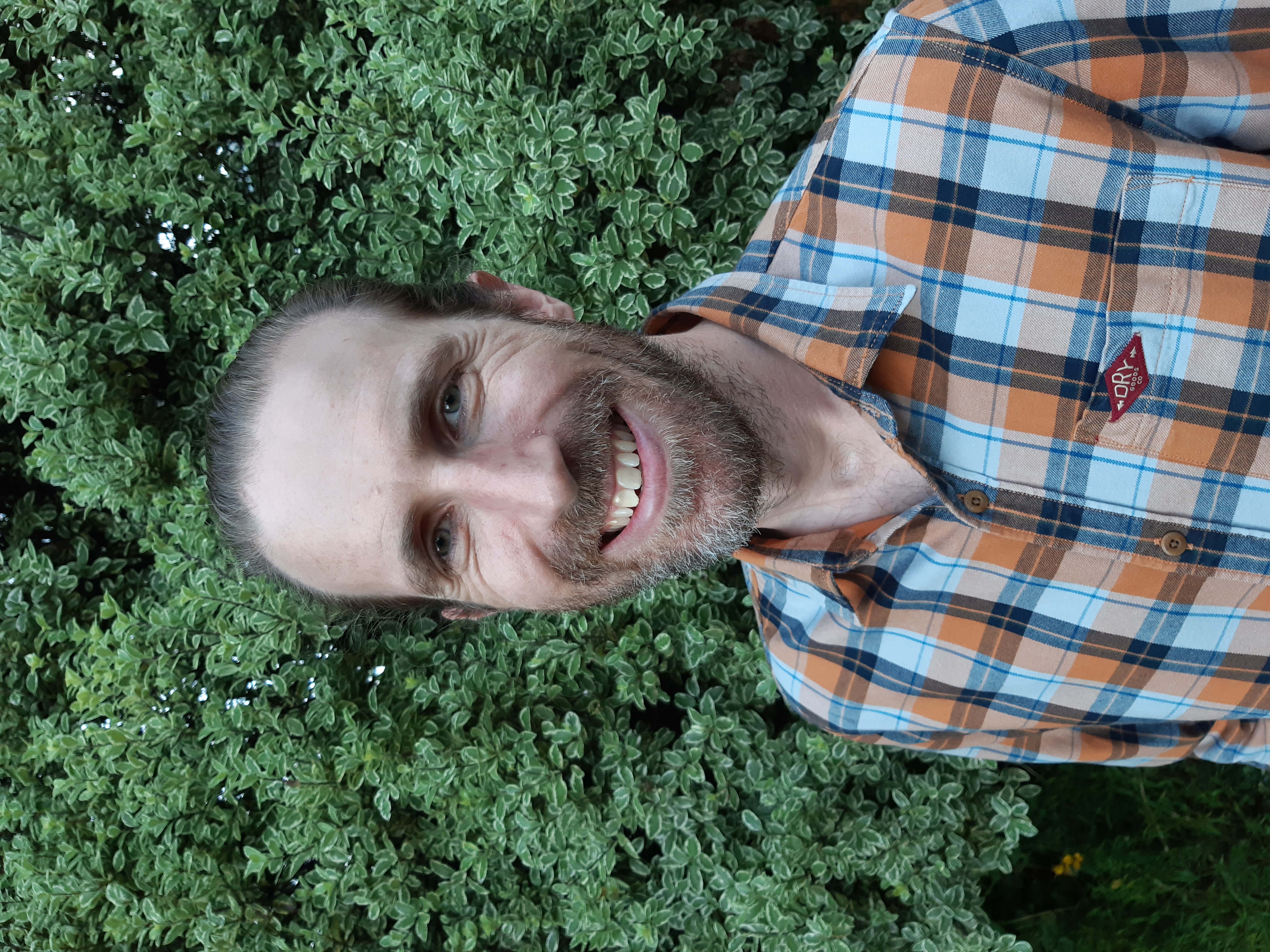
Board director
Chris Woolley is a post-doctoral researcher at Zealandia – Centre for People and Nature and an adjunct research fellow at Victoria University of Wellington. His research focusses on urban ecology, people-nature interactions, and reptile conservation. He is passionate about research that delivers tangible, on-ground outcomes for conservation.
Chris has previously served as President of the SCB Victoria University of Wellington Chapter.
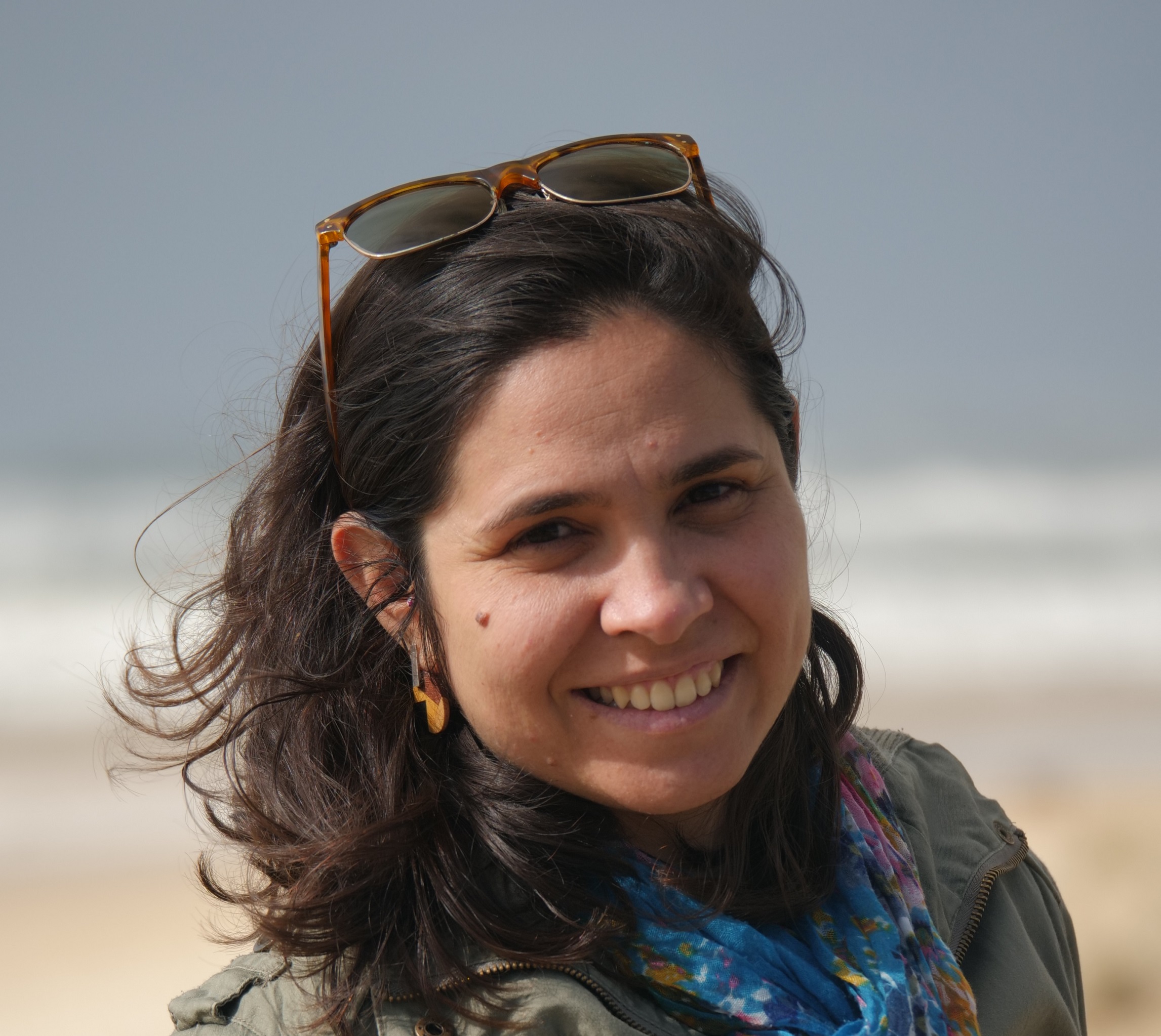
Board director
I’m Erica, a nature lover and current PhD candidate at Queensland University of Technology. My early experiences with nature taught me the importance of caring for the environment, inspiring me to pursue a Bachelor’s in Biology, studying ecological interactions, and a Master’s degree in species distribution and climate change. Presently, I analyse the social and environmental impacts of conservation initiatives in private lands, aiming to understand how to foster ongoing engagement and support people involved in conservation. Previously, I worked as a research fellow and engagement officer at ICEED, facilitating discussions with groups from diverse cultural backgrounds and brainstorming pathways for restoration. This experience reinforced my belief in the power of communication and collaboration in achieving better conservation results. My main goal is to use interdisciplinarity and collaborative approaches to bridge the gap between academic knowledge and practical application while promoting pro-environmental behaviours that benefit human well-being and biodiversity.
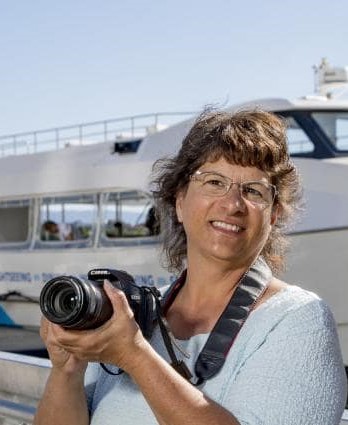
Board director
Laura is a conservation biologist and wildlife researcher based in the Gold Coast and
Auckland. She is a keen advocate for educating and inspiring young minds to care for
the planet. Laura’s experience includes freshwater ecology and restoration, marine
education and ecotourism, and managing conservation projects. Laura holds a MSc in
Conservation Biology and a BS in Environmental Biology.
Currently, Laura is a Visiting Scholar at Griffith University, researching newborn
humpback whale calves occurrence and habitat usage in an area not considered a
breeding ground. Laura leads the Gold Coast Newborn Calf study and has a large
team of research assistants supporting this ongoing study.
She is concerned about the climate crisis, habitat degradation and loss, a rapidly
warming ocean, and how we can engage young people and adults in meaningful
conversations so that they act to become ocean and earth champions involved in
conservation.
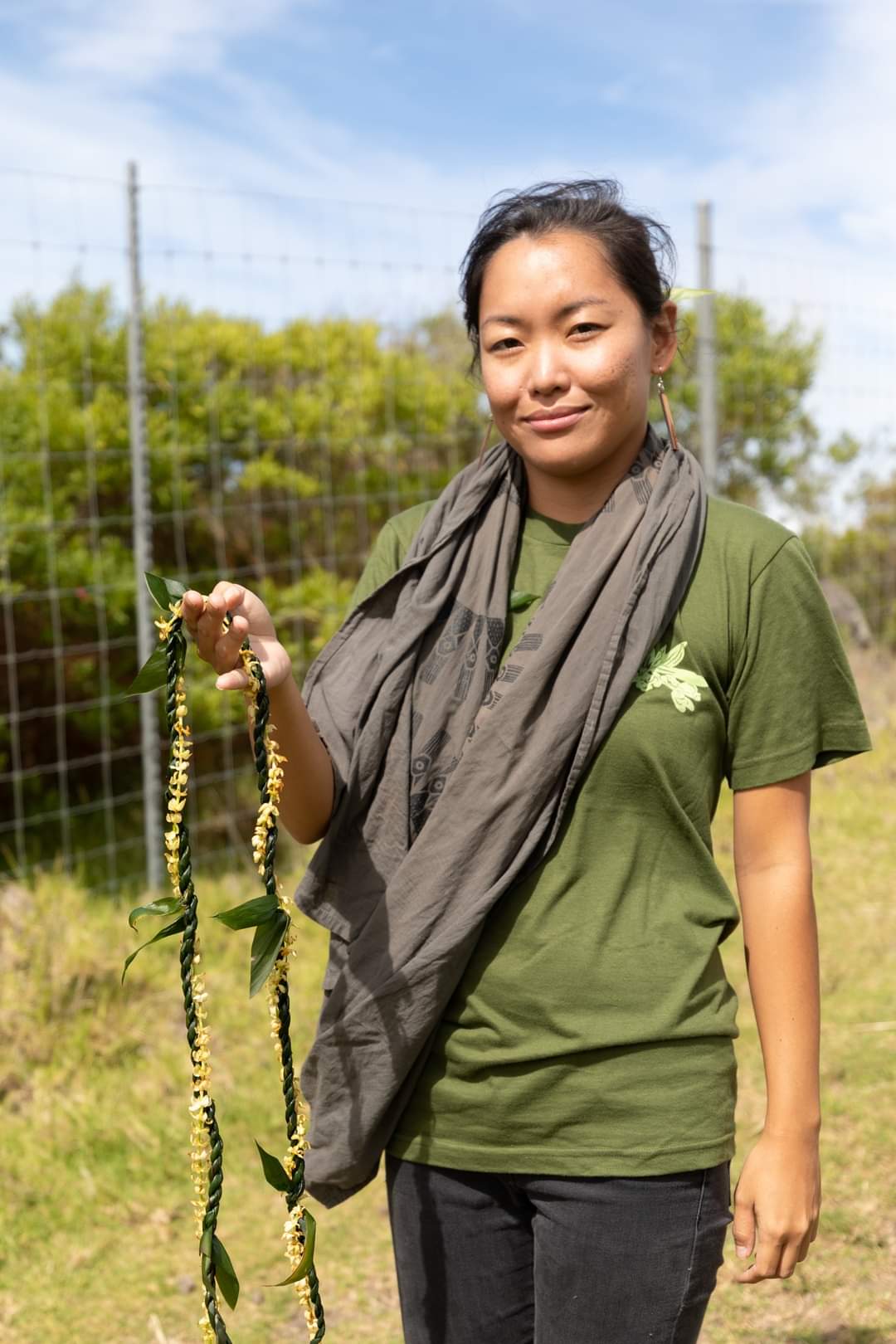
Board director
Aimee Sato is a hula dancer who grew up in Wailua, Kauaʻi, and now calls Kahaluʻu, Oʻahu, her place. She graduated with a MS degree in Botany at UH Mānoa, with a focus in biocultural conservation. Aimee has trained in and worked with “Lonoa Honua,” an organization that delivers professional development training opportunities to become better stewards of the global landscape through Indigenous lifeways. She has recently stepped into a role at the Heʻeia National Estuarine Research Reserve System (NERR) in Hawaiʻi to assist in supporting biocultural research and partnerships among federal, state, and community-based entities, all committed to a vision of resilient estuaries and coastal watersheds where human and natural communities thrive.
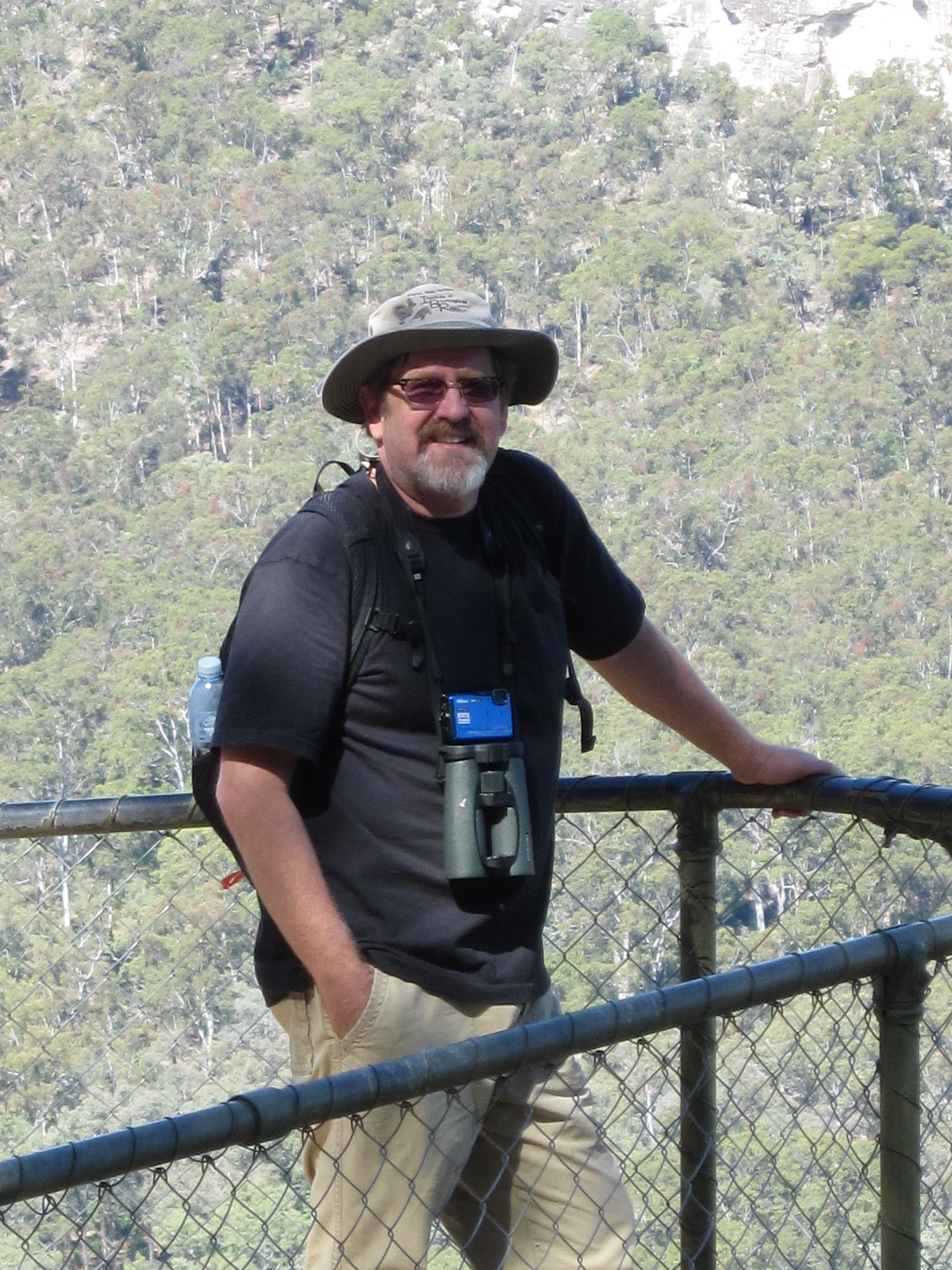
Board director
Andrew Mack is a conservation biologist with a Ph.D. from the University of Miami. He has worked for Conservation International, the Wildlife Conservation Society, Academy of Natural Sciences and the Carnegie Museum of Natural History. Currently he works for Pennsylvania State University-Altoona. He has also taught at several other US universities. His research has spanned many topics, but with an emphasis on birds, especially cassowaries, and tropical rainforest ecology, especially in Papua New Guinea. He has authored more than 60 peer-reviewed publications and a book. Over roughly two decades with 15 years in PNG, he developed a major conservation program focused on training national biologists and mentoring future conservation leaders. He built a field research station in PNG where he studied cassowaries and expanded to many topics collaborating with his PNG students. He now lives in Pennsylvania, USA where he also manages an 85-acre property and serves on the board of the Westmoreland Land Trust.
Board director
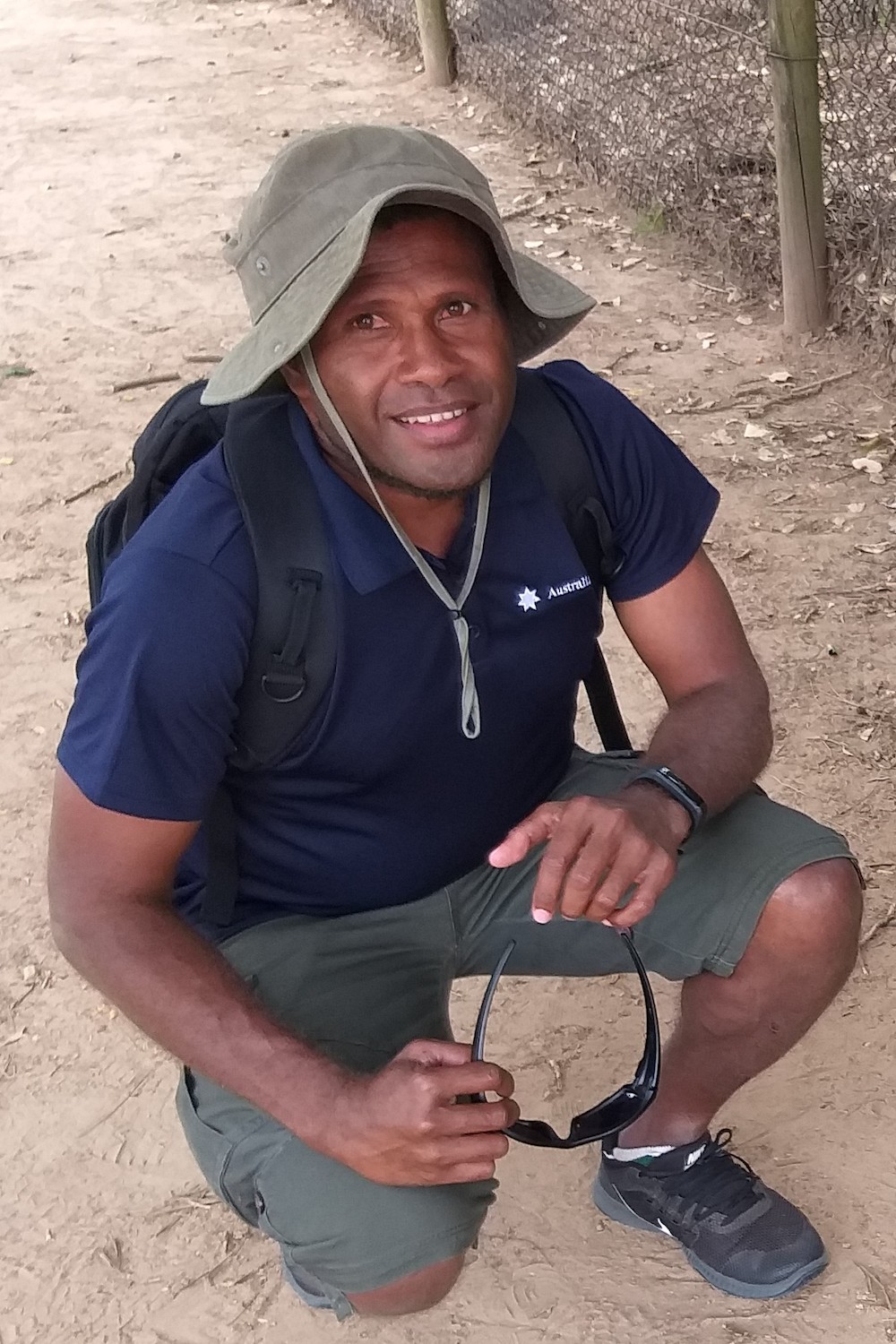
John Lamaris is a researcher with the Wildlife Conservation Society, Papua New Guinea program. His research interest is in population ecology and traditional sustainable and conservation management systems. John aims to apply modern scientific knowledge and techniques to enhance the effectiveness of traditional conservation and management systems.
Twitter: @Johnlamaris
Specialist director
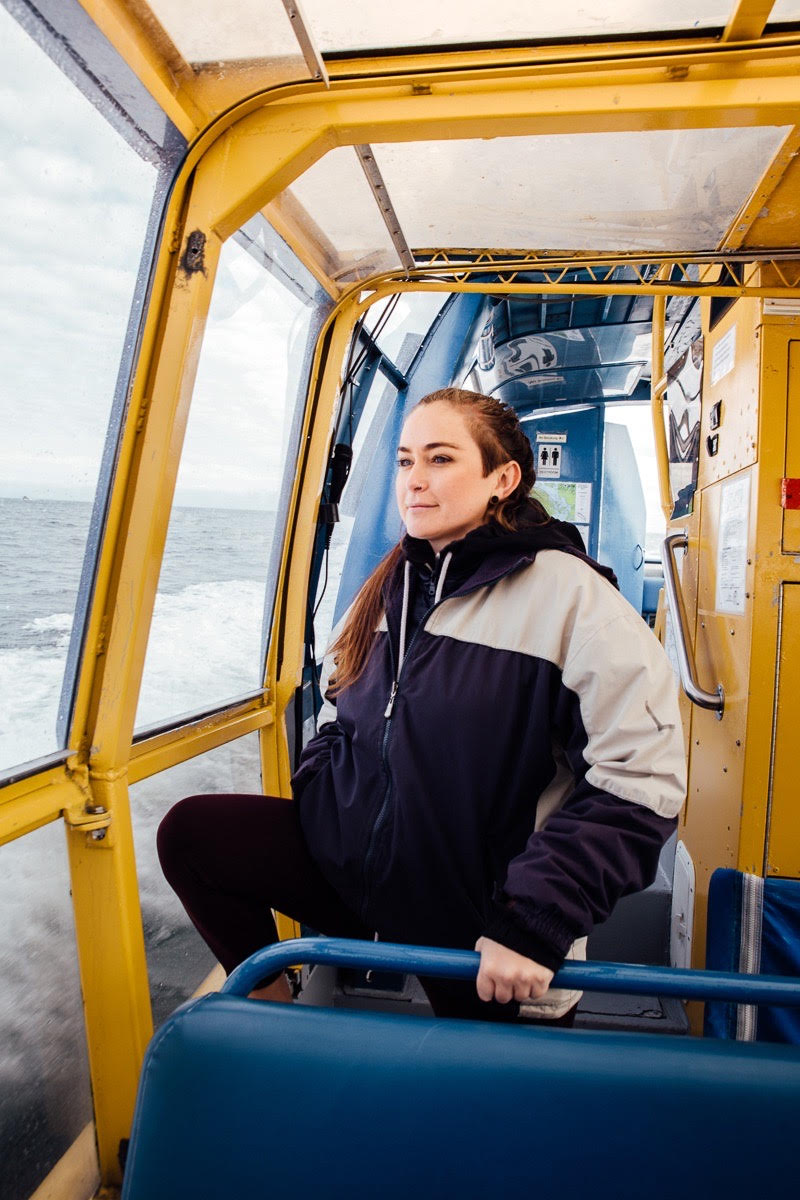
Shannon Noelle Rivera is a conservation social scientist and consultant based in Honolulu, Hawaiʻi. She is largely focused on the importance of intersections within international conservation practice including under-prioritized areas of wildlife crime, gender-sensitive strategies, and innovative M&E approaches for conservation effectiveness. Shannon helped established SCB’s Hawaiʻi Chapter (HISCB) in 2016, which has grown into an active base of members in the Pacific.
Currently, Shannon works as a technical expert with US Fish & Wildlife Service International Affairs contributing to program evaluation while fostering evidence-based conservation practices in global wildlife strongholds.
Twitter: @_ShannonRivera
Specialist director
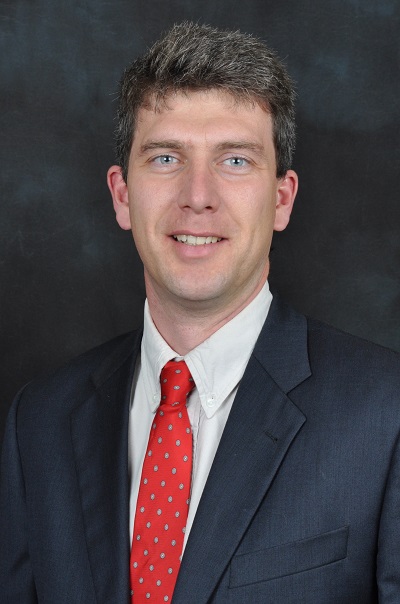
Owen Nevin is currently CEO of the Western Australian Biodiversity Science Institute where he works with researcher, industry, government and conservation practitioners to enhance biodiversity science and conservation outcomes across the state.
Owen has had a long association with Society Conservation Biology having served on the SCB Europe Section Board of Directors from 2003 to 2009. In addition, he served on the SCB Global Board of Directors from 2010 to 2013.
Specialist director
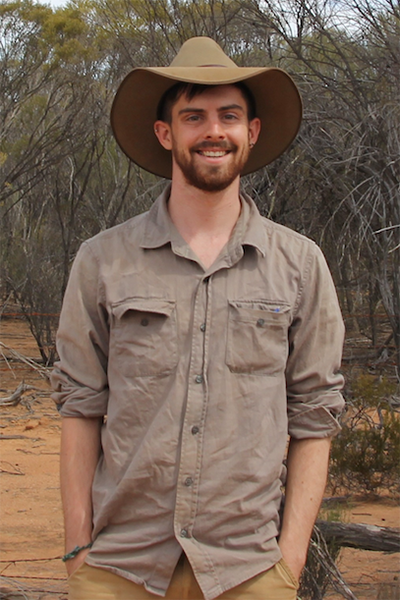
Tim Doherty is a wildlife ecologist and research scientist in Western Australia. He conducts applied research aiming to inform policy and management, and specialises in disturbance ecology, predator-prey dynamics and invasive species. He served two terms on the SCBO Board of Directors and was previously Chair of the Policy Committee.
Specialist director
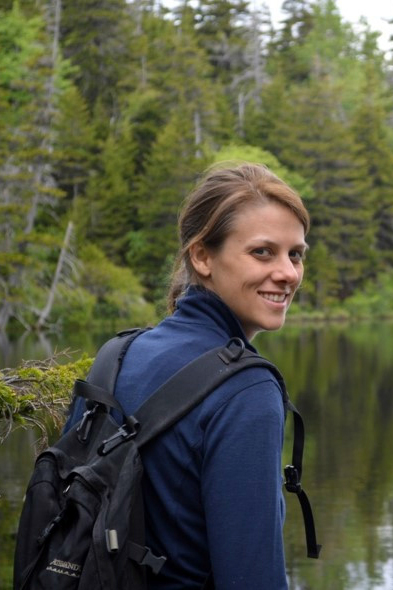
Vanessa Adams is a Senior Lecturer in Conservation Biology at the University of Tasmania. Her research broadly fits into two themes: ecological modelling to understand dynamic ecosystems and human dimensions of conservation. Vanessa partners with relevant government agencies and NGOs to ensure that her research is relevant to policy makers and is positioned to influence on-ground conservation.
Vanessa is the Oceania Representative to the SCB Conference Committee
Specialist director
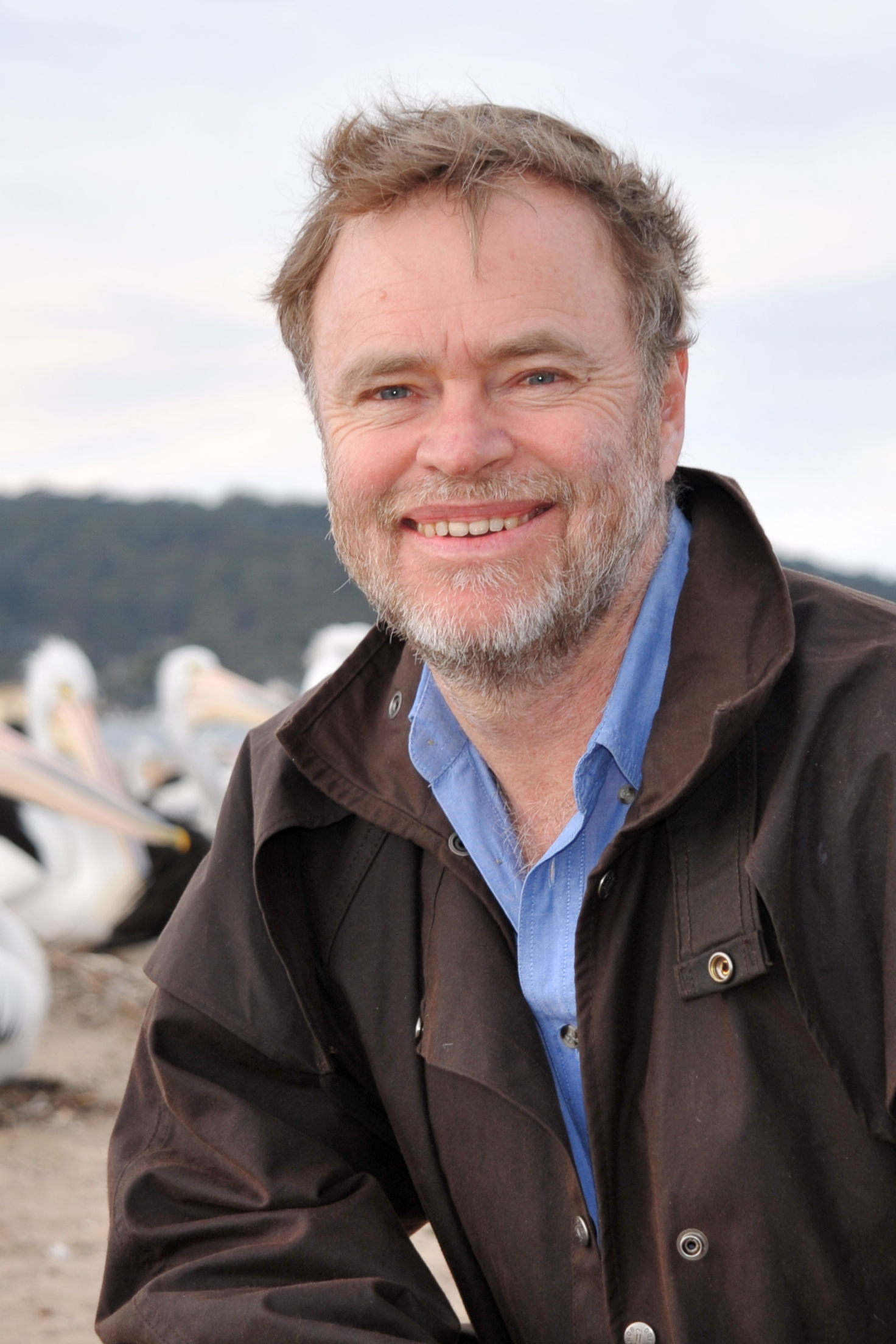
Richard Kingsford is the Director of the Centre for Ecosystem Science, UNSW Sydney. He researches freshwater ecosystems, restoration ecology and adaptive management of ecosystems.
Nominations for the Society for Conservation Biology Oceania Section Board of Directors open in April each year, and successful candidates are elected to the board following a ballot of our members.
Board members are expected to be actively engaged in directing the SCB Oceania Section through work on our Science & Education, Policy, and Strategic committees. To ensure that board members, including Presidents, understand their collective responsibilities, we ask our board members to sign a contract outlining the vision and values of SCB Oceania, and board members’ roles and responsibilities.